Works
Chamber and Solo ▼ | Large Ensemble ►
Chamber and Solo Works
AWASH: Cello and piano
- 2024 | 6:00
- View PDF Sample
Video Performance
Description
Awash is a composition for cello and piano inspired by the elegance and simplicity of a washing machine. The piece follows the wash cycle, from the anticipation of loading to the exhilarating spin and the final calm of the door unlocking, reflecting the unique structure and rhythm of the machine.
The opening movement features delicate notes that evoke water filling the drum, with the cello and piano creating a sense of submerged clothes and soapy bubbles.
The middle sections capture the intricate dance of the wash cycle with pulsating patterns and rhythmic motifs, portraying both the mechanical precision and the soothing sloshing of water against fabric.
The climax mimics the rapid spinning cycle, with swirling phrases and intense sequences creating an exhilarating whirlwind of sound. This energy gradually unwinds into stillness.
The final movement echoes the cycle’s completion, with calming melodies that drift like freshly laundered clothes.
Awash transforms mundane activity into a meditative musical journey, celebrating the hidden beauty in everyday tasks.
MADERNO’S OPUS: Solo Timpani
- May 2024 | 10:00
- View PDF Sample
- Audio Sample:
Description
Maderno’s Opus is a captivating three-movement piece for solo timpani, inspired by the beautiful sculpture of Saint Cecilia, the patron saint of music, created by the artist Stefano Maderno in Italy. This composition journeys through the creative process of Maderno, capturing the essence of epiphany, imagination, and craftsmanship with the unique sounds of the timpani.
1. Epiphany: The first movement begins with the fantasy that Maderno had an epiphany—a sudden, divine inspiration to sculpt Saint Cecilia. This movement is characterized by resonant, echoing strikes on the timpani, symbolizing the birth of the idea and the profound impact of inspiration. The rhythms are bold and expansive, reflecting the artist’s awe and excitement as he envisions his masterpiece.
2. Sketches of the Martyr: The second movement delves into Maderno’s imagination as he sketches the martyr, Saint Cecilia. Here, the timpani’s tones become more nuanced and intricate, mirroring the artist’s detailed work on paper. The rhythms are varied and dynamic, capturing the delicate lines and thoughtful contemplation that go into bringing a vision to life. This movement showcases the timpani’s ability to convey subtlety and depth, representing the artist’s meticulous planning and creative thought process.
3. The Sculpture: The final movement symbolizes Maderno’s physical act of sculpting Saint Cecilia out of marble. The timpani’s powerful, rhythmic strikes evoke the sounds of chisels and hammers, conveying the laborious and exhilarating process of carving the statue. The energy builds and crescendos, representing the transformation of raw marble into a refined masterpiece. The movement captures the enlightenment and excitement of creation, and the triumph of bringing a dream into tangible form.
Maderno’s Opus utilizes the timpani to represent the various tools and stages involved in creating a monumental sculpture. Through its rich and expressive sound palette, the piece brings to life the journey of an artist from inspiration to completion. Each movement is a testament to the transformative power of art and the beauty that emerges from dedication and creative vision. This composition not only celebrates Saint Cecilia and Maderno’s legacy but also showcases the innovative use of solo timpani to convey a compelling narrative of artistic creation.
MI SHEBEIRACH: Pedal Harp and Voice
- 2024 | 4:09
- Premieres June 2024
- View PDF Sample
- Audio Sample:
Description
Mi Shebeirach is a heartfelt piece for pedal harp and voice, offering a poignant prayer for healing sung in Jewish services. The piece features a profound conversation between the voice and harp, each part enriching the other.
The pedal harp provides a celestial backdrop, its gentle arpeggios and sustained harmonies evoking a sense of peace and divine presence. It punctuates the plea to God, underscoring the voice’s urgent call for blessings and recovery for those in need.
The vocal line rises and falls with deep emotion, carrying the heartfelt plea with both tenderness and strength. The melody, intertwined with the harp’s ethereal tones, captures the essence of the prayer’s compassion and hope.
This arrangement creates a meditative atmosphere, inviting listeners to engage deeply with its message of healing. The interplay between the harp and voice offers a moving expression of spiritual support and unity.
BALLYHOO: Six Dances for Violin, Piano, and Baritone Saxophone
- 2023 | 9:32
- View PDF Samples: 1. Bourrée; 2. Charleston; 3. Hula; 4. Disco; 5. Line Dance; 6. Minuet
- Audio Sample:
Description
Ballyhoo is a fun and lighthearted collection of six 90-second dances, composed for violin, piano, and baritone saxophone. This suite brings together some of my favorite dance styles, celebrating the joy and diversity of dance through the ages, making it enjoyable for both performers and listeners.
1. Bourrée: A lively, baroque-inspired piece with the violin and piano engaging in a spirited dialogue, while the baritone saxophone adds a robust, modern twist.
2. Charleston: Full of the Roaring Twenties’ energy, this dance features syncopated rhythms and upbeat melodies, with the baritone saxophone driving the piece and the violin and piano adding playful, spirited lines.
3. Hula: Conjuring images of tropical shores, this serene dance has the violin sometimes strummed like a ukulele, adding a fun, playful element. The piano creates a gentle, swaying rhythm, while the baritone saxophone adds a mellow, soulful undertone, evoking an island breeze.
4. Disco: Bursting with the infectious beats of the 1970s, this piece prominently features the iconic gallop rhythm that harkens back to the era. The violin channels the gorgeous, over-the-top style of 70s disco hits, adding a flashy and vibrant layer. The baritone saxophone leads with funky riffs, while the piano grounds the piece with rhythmic and harmonic depth.
5. Line Dance: Capturing the communal spirit of folk and country line dancing. This peppy western jam is a delightful nod to Americana barn dances. The violin plays a fiddle-like role, the piano provides a steady, rhythmic foundation, and the baritone saxophone adds a rich, melodic counterpoint.
6. Minuet: Closing with a nod to classical elegance, the violin and piano perform a graceful dance reminiscent of courtly ballrooms while the baritone saxophone infuses a unique, modern timbre into this timeless form.
Ballyhoo is not just a collection of dances; it’s a playful exploration of how music and dance, for hundreds of years, have been about having fun. The choice of instruments—combining the baritone saxophone with the violin and piano—adds a unique and amusing twist, making it enjoyable for both performers and listeners. Even the names of the pieces are intriguing and playful, perfect for those days when a bit of levity is needed.
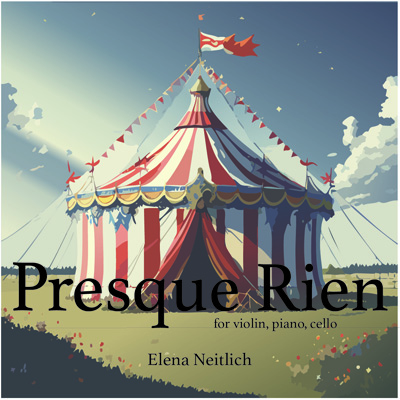
PRESQUE RIEN: Violin, cello, and piano
- 2022 | 7:54
- View PDF Sample
- Audio Sample:
Description
Presque Rien, french for Almost Nothing, is a trio for piano, violin, and cello. It evokes a range of feelings through its carefully crafted melodies and harmonies. Exploring the connection between movement, balance, and emotion, the piece delivers moments of agitation and moments of ease. The undulating tones and harmonies of the piece are akin to the skilled high-wire performers who tiptoe cautiously on the tightrope. At times melancholic and at times joyous, the composition engages both the listener and the musician, creating a reflective and immersive experience. Overall, it is a thoughtful composition that engages the listener and player alike.
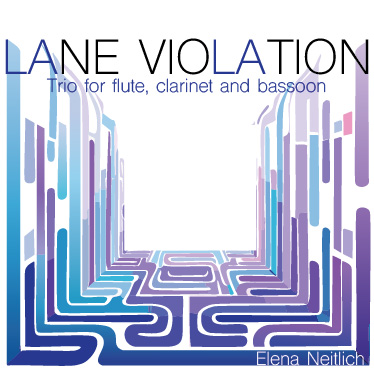
LANE VIOLATION: Trio for flute, clarinet and bassoon
- 2022 | 6:05
- View PDF Sample
- Audio Sample:
Description
Lane Violation is an elegant yet playful chamber piece for flute, clarinet, and bassoon, structured around the theme of basketball. The music balances a bouncy, rhythmic energy with lyrical, melodic phrases that echo the anticipation, quick movements, and fleeting moments of beauty on the court. Each instrument takes turns “dribbling” melodic ideas that pass seamlessly among them.
The piece is delightfully quirky, with unexpected harmonic shifts and rhythmic syncopations that bring a sense of lively unpredictability—like a player changing direction mid-game. However, its playful nature never veers into silliness; instead, it reflects a lighthearted sophistication that keeps the listener engaged throughout its well-paced seven minutes.
Amidst the rhythmic playfulness, Lane Violation incorporates gentle, touching moments, offering a pause to reflect before the next flurry of energy. The result is a piece that is whimsical yet refined, accessible in its melody and harmony, with a sense of joy and contemplation that feels as natural as the flow of a well-executed basketball game.